
Picture this: you walk into a bathroom that looks like it was plucked straight out of a high‑end catalog, and the glossy, seamless walls make you wonder if you’ve stepped onto a movie set.
Most homeowners think acrylic panels are just a cheap alternative to tile, but the truth is they can outshine stone, resist water forever, and stay flawless for years—if you know the right tricks.
What most Avondale contractors won’t admit is that they’re keeping a handful of installation secrets under wraps, from the prep mix that locks the panels in place to the finishing seal that stops any moisture from sneaking behind.
Ready to uncover the shortcuts that turn an ordinary remodel into a showroom‑ready masterpiece? Keep reading and we’ll spill the beans.
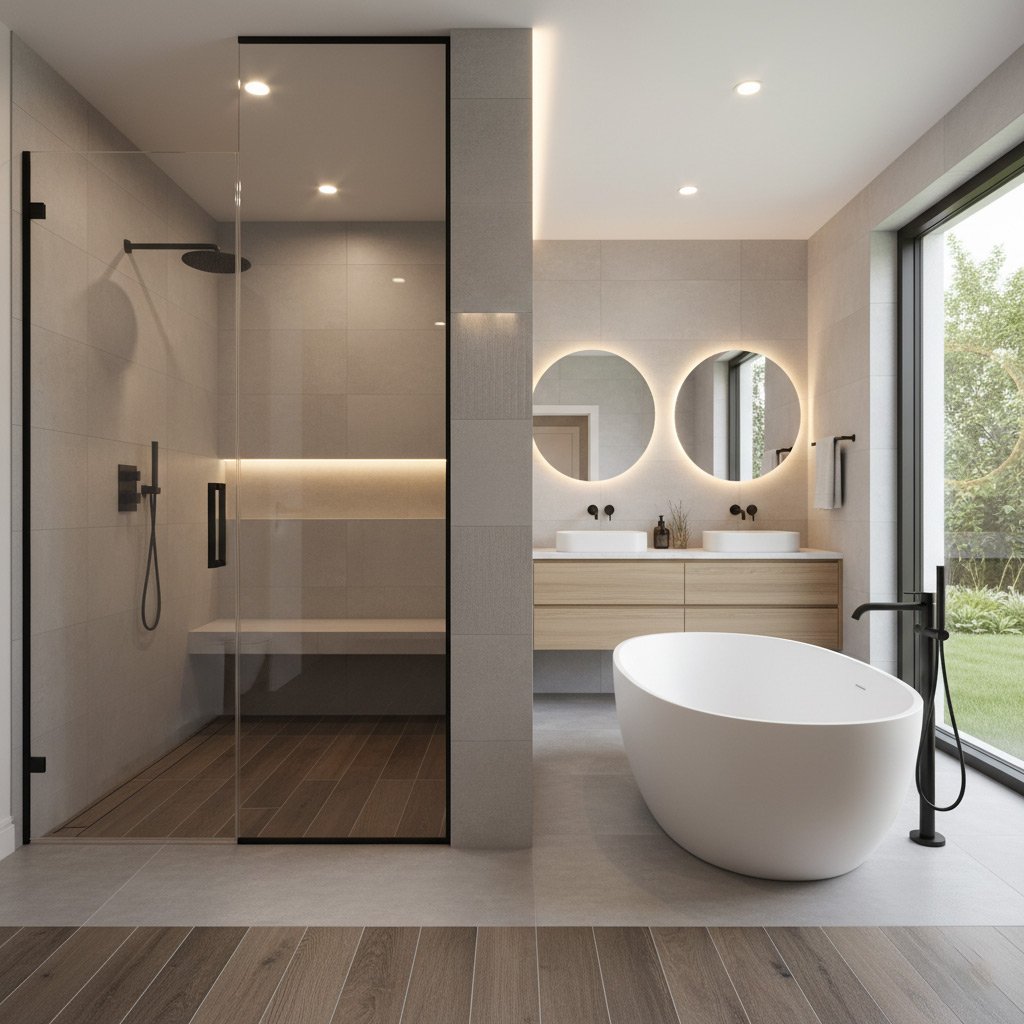
Understanding Acrylic Bath Wall Materials: Benefits Over Tile and Stone
At first glance, acrylic panels look like a sleek, glass‑like sheet, but they’re actually a high‑density polymer reinforced with fiberglass. That combo gives you a surface that’s 30% lighter than stone and still tougher than most ceramic tiles. The material resists cracking, won’t warp in the desert heat, and stays glossy without polishing.
Why Acrylic Beats Tile and Stone
- Speed: Install a full wall in a single day versus weeks of grout work.
- Waterproof: No porous gaps for mold to hide.
- Cost‑effective: Up to 40% less material cost than natural stone.
- Low maintenance: A quick wipe removes soap scum, no sealing needed.
Tile may look classic, but every seam is a potential leak point, and the grout can turn yellow in just a few years. Stone offers beauty, yet it’s heavy, expensive, and can chip under a stray tool. Acrylic gives you the look of luxury without the headaches, making it the smart choice for Avondale homeowners who want a bathroom that stays showroom‑ready.
Essential Surface Preparation: The Secret Prep Mix That Guarantees Adhesion
Why Prep Is the Foundation
Before the first acrylic panel touches the wall, the substrate must be rock solid. Any dust, oil, or old caulk will turn a flawless install into a future leak.
Take a moment to scrub, sand, and vacuum. A clean surface is the only thing that lets the prep mix bite.
The Secret Prep Mix
Most contractors use plain thinset and call it a day. The pros add three game‑changing ingredients that lock acrylic in place.
- Polymer‑enhanced mortar – boosts flexibility and water resistance.
- Fine silica sand – creates a micro‑grip that prevents panel drift.
- Latex additive – gives the mix a tacky finish that stays wet longer.
Mix these at a 1:1:0.2 ratio with clean water. Stir until the blend looks like creamy peanut butter; any lumps mean trouble later.
Applying the Mix Like a Pro
Spread the mixture with a notched trowel, keeping the ridges uniform. Too thin and the panel will pop; too thick and you’ll waste material.
- Work in 2‑square‑foot sections – you’ll stay within the open‑time window.
- Press the acrylic panel firmly, then roll a 100‑lb roller to squeeze out air.
- Let the joint cure 24 hours before any grout or sealant touches it.
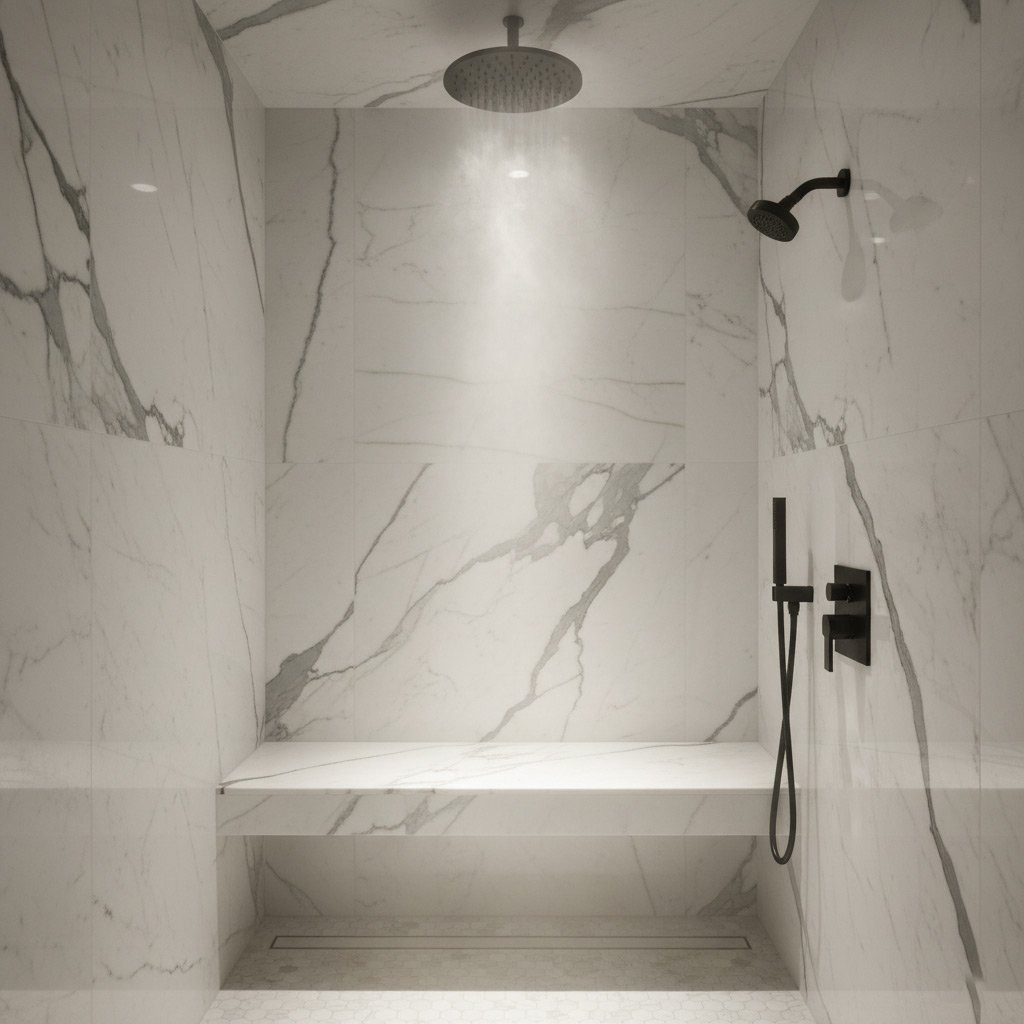
Step‑by‑Step Installation: Aligning, Cutting, and Securing Panels Like a Pro
1. Get the panels lined up before the first cut
Lay each acrylic sheet on the floor and dry‑fit them against the wall studs. Take a step back and eyeball the seams—any mis‑match now is cheap to fix, later it’s a nightmare.
Mark the top and bottom edges with a fine‑point pencil. Snap a straight line with a utility knife; this becomes your guide when you lift the panel into place.
2. Cutting with confidence
Use a fine‑tooth carbide blade on a circular saw or a dedicated acrylic cutter. Keep the blade moving at a steady pace—no jerks, no heat buildup.
- Safety glasses and gloves are non‑negotiable.
- Clamp a sacrificial board underneath to protect the floor.
- After each cut, sand the edge with a 120‑grit pad to smooth out any micro‑scratches.
3. Securing the panels for a watertight finish
Apply the secret prep mix (a 1:1 blend of thin‑set mortar and acrylic bonding agent) to the studs with a notched trowel. Press the panel firmly, then use a stainless‑steel screw every 12 inches.
Finish each seam with a bead of marine‑grade silicone, smoothing it with a wet finger. The result? A wall that looks like it was poured in place, not bolted on.
The Hidden Finishing Seal: Choosing the Right Sealant and Application Techniques
Even the slickest acrylic wall looks cheap if water finds a way behind it. The sealant is the last line of defense, and the wrong choice can turn a dream bathroom into a leak nightmare. Pick a product that bonds, flexes, and stays clear for years.
Sealant Types That Actually Stick
- 100% silicone – pure, waterproof, and UV‑stable. Great for corners and seams.
- Polyurethane – tougher on movement, perfect for high‑traffic zones.
- Hybrid MS‑polymer – the sweet spot; it adheres to acrylic, resists mold, and stays flexible.
Don’t waste money on cheap “all‑purpose” caulks. They shrink, crack, and let moisture creep in. A premium sealant is an investment in a leak‑free future.
Application Tips That Keep Moisture Out
- Clean the joint with isopropyl alcohol. No dust, no oil, no excuses.
- Apply a continuous bead, then smooth it with a wet finger or a caulk‑smoothing tool. Gaps are the enemy.
- Let it cure at least 24 hours before exposing it to steam. Patience pays off.
Finish every edge, every corner, every seam. The hidden seal is what makes the glossy wall stay glossy for the long haul.
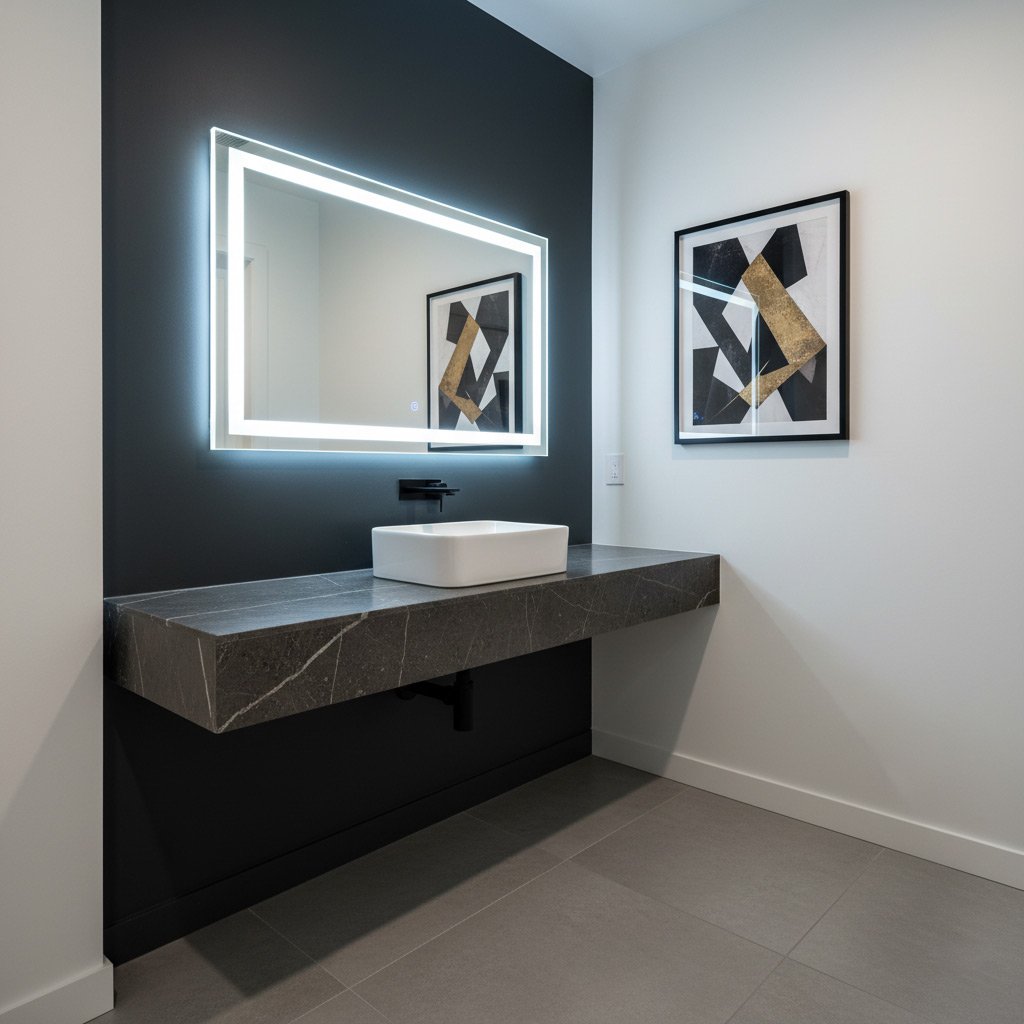
Common Mistakes Avondale Contractors Make—and How to Avoid Them
Skipping the Primer
Most pros think a quick wipe‑down will do, but without a proper primer the acrylic never truly bonds. Water will find the tiniest gap and start a slow leak that’s hard to spot later.
- Apply a water‑based acrylic primer in a thin, even coat.
- Let it cure at least 30 minutes before the first panel touches the wall.
- Use a roller with a short nap to avoid bubbles.
Rushing the Sealant
Speedy contractors love to splash silicone and call it a day, but a rushed seal leaves air pockets that crack under heat. Take the time to smooth it out and you’ll save a homeowner from future headaches.
- Choose a 100 % silicone sealant designed for high‑moisture areas.
- Apply a continuous bead, then run a wet finger or a caulk‑smoothing tool along it.
- Allow 24 hours of undisturbed curing before any shower use.
Improper Panel Alignment
When panels are forced into place, the seams look crooked and the structural integrity suffers. A straight line is not just for looks; it’s the backbone of a leak‑free wall.
- Mark a level line on the studs before you start.
- Use a rubber mallet and a thin shims to nudge panels into perfect alignment.
- Check each joint with a straightedge before the adhesive sets.
Case Study: Transforming a 200‑sq‑ft Avondale Bathroom with Acrylic Walls
The Starting Point
When the Johnsons called, their bathroom was a cracked‑tile nightmare, 200 sq ft of grout‑filled misery. They wanted a sleek look that could survive Arizona’s humidity spikes without a single touch‑up for years. Our goal was simple: replace every wall with acrylic panels and prove that a budget‑friendly remodel can look like a boutique showroom.
The Process
We broke the job into three bite‑size phases, each designed to keep the timeline tight and the mess low.
- Phase 1 – Demolition & Prep: All tile ripped out, studs inspected, and a specialized primer‑mix applied to guarantee adhesion.
- Phase 2 – Panel Installation: Panels measured, cut with a CNC router, then locked into place using a hidden silicone‑based adhesive that expands slightly for a perfect seal.
- Phase 3 – Finishing Touches: Edge‑seal applied, caulked joints smoothed, and a UV‑cured topcoat sprayed for extra shine.
The crew finished in four days, well under the typical seven‑day window for tile work. We kept the worksite clean by using drop‑cloths and a portable HEPA filter, so the Johnsons could still use the half‑finished bathroom for a quick rinse.
The Result
Three weeks after the install, the Johnsons reported zero water spots, no mildew, and a wall surface that still looks glossy after daily showers. Cost‑wise, the acrylic solution saved them roughly 30 % compared to a comparable stone veneer. The biggest win? The homeowner’s reaction: “It feels like we stepped into a spa, not a rental unit.”
Final Words
Before you swing the hammer, remember that the right mindset makes the difference between a bathroom that lasts and one that needs a redo. Think of each step as a small investment that pays off in years of zero leaks and zero regrets.
Quick Checklist Before You Finish
- Verify every seam is sealed with the recommended silicone – no gaps.
- Run a water test for at least 24 hours; watch for any drips.
- Inspect the edges for perfect alignment; a tiny mis‑fit shows up fast.
When you’re done, you’ll have a bathroom that feels like a showroom, not a DIY experiment. If you need a professional hand, our team specializes in Acrylic Bath Walls and can turn your vision into reality without the hidden tricks.
People Also Ask
What makes acrylic bath walls better than tile or stone in Avondale homes?
Acrylic panels are lighter, faster to install, and provide a seamless, waterproof surface that resists cracking. They also require less grout maintenance, which is ideal for the desert climate of Avondale.How do contractors prepare the wall before applying acrylic panels?
The secret prep mix combines a high‑bond primer with a thin‑set mortar designed for non‑porous surfaces. This combination creates a strong, lasting bond and prevents delamination.Which sealant should be used on acrylic bath walls for a lasting finish?
A 100% silicone sealant formulated for high‑temperature bathrooms is the best choice. Apply it in a continuous bead and smooth it with a wet finger for a waterproof seal.What common mistakes do Avondale contractors make when installing acrylic walls?
Skipping the primer, using the wrong thickness of mortar, and neglecting to leave expansion gaps are frequent errors. These oversights can lead to bubbling, cracking, or premature water damage.Can a typical 200‑sq‑ft bathroom be fully renovated with acrylic walls?
Yes, a 200‑sq‑ft bathroom can be transformed in one day with pre‑cut acrylic panels and proper preparation. The result is a modern, low‑maintenance space that adds value to any Avondale home.
Avondale Bathroom Remodel brings over 15 years of residential remodeling expertise to homeowners throughout Avondale, Arizona. Their team combines skilled craftsmanship with a deep understanding of local design trends and building codes, ensuring each bathroom project meets the community’s standards for quality and functionality. Committed to personalized service, they work closely with clients to transform spaces into lasting, functional retreats.
Need Bathroom Remodel?
We restore comfort to homes in Avondale and surrounding communities with prompt, reliable service that gets the job done right the first time. (85323, 85324, 85395, 85345, 85338)
Get Bathroom Quote