You’re about to turn that tired bathtub into a sleek shower, but one slip could drain your wallet faster than a leaky faucet.
Most homeowners skip the plumbing blueprint, ignore proper drainage slope, and pick cheap tile that cracks under pressure. Those shortcuts turn a dream makeover into a nightmare repair bill.
Stick around and we’ll walk you through the exact steps to keep the project on budget and on schedule, so you can enjoy that new shower without the surprise invoice.

Assessing Your Space and Setting a Realistic Budget
Measure Twice, Cut Once
Grab a tape measure and walk the perimeter of your tub area. Note the length, width, and ceiling height—those numbers will dictate the shower’s footprint and whether you need a custom pan.
Don’t forget hidden obstacles: recessed pipes, vent stacks, or a low‑lying joist. A quick visual check now saves you a costly surprise when the contractor starts cutting.
Know Your Money Limits
Start with a ballpark figure based on local averages—Avondale tub‑to‑shower projects typically run between $4,500 and $9,000. Then add a 10‑15% buffer for unexpected items like extra waterproofing or code upgrades.
Break the budget down into categories so you can see where you can splurge and where you must hold back:
- Demolition & disposal: $500‑$800
- Plumbing reroute: $800‑$1,500
- Waterproofing membrane: $600‑$1,200
- Tile and grout: $1,200‑$2,500
- Fixtures & hardware: $700‑$1,300
Having these line items in front of you makes it easy to spot a $300 overrun before it becomes a $3,000 headache.
Designing the Layout: Proper Drainage Slope and Plumbing Considerations
Get the Drainage Angle Right
Even a tiny mis‑calculation in the floor pitch can turn your new shower into a mini pool. Aim for a ¼‑inch drop per foot toward the drain – that’s the sweet spot most plumbers swear by.
- Mark the high point of the shower floor with a chalk line.
- Use a level to confirm the slope runs straight to the drain.
- Check the slope after the mortar sets; a quick water test will reveal any low spots.
Plumbing Layout Must‑Haves
Don’t assume the old tub’s supply lines will magically fit a shower head. You’ll likely need to reroute the hot‑cold valves and add a dedicated shut‑off for the new fixture.
- Locate the main water shut‑off before you start tearing anything out.
- Plan for a curb‑less entry if you want a seamless walk‑in feel.
- Include a vent pipe to prevent suction and keep the drain flowing.
Code Check & Professional Input
Avondale’s building code isn’t a suggestion – it’s the law. A licensed plumber can spot a code violation before it becomes a costly re‑work.
- Verify the drain size meets the 2‑inch minimum for showers.
- Confirm the waterproofing membrane extends at least 6 inches beyond the shower curb.
- Ask the plumber to stamp the plumbing plan; it saves headaches during inspection.
Selecting Durable Materials: Tile, Waterproofing, and Fixtures
Tile Choices That Last
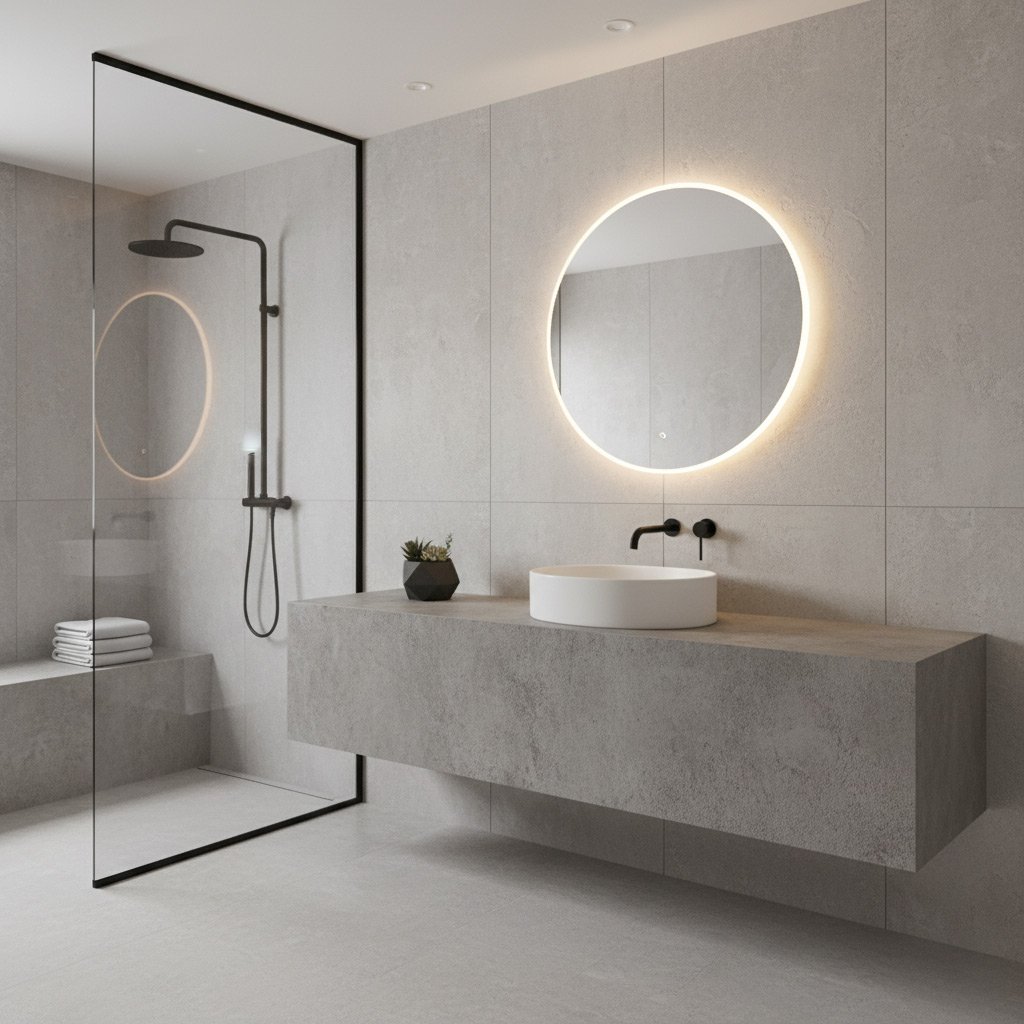
When you swap a tub for a shower, the floor and walls become the star of the show. Pick a tile that can take a daily splash without cracking or fading.
- Ceramic or porcelain – dense, low‑porosity, easy to clean.
- Natural stone – gorgeous, but seal it every year to keep water out.
- Large‑format tiles – fewer grout lines, less maintenance.
Waterproofing That Actually Works
A leak hidden behind tile can ruin a whole house. Invest in a proven waterproofing system before you lay the first square.
- Sheet‑membrane (e.g., Schluter‑Kerdi) – creates a seamless barrier.
- Cement backer board with a liquid membrane – budget‑friendly, still reliable.
- Proper sealing at corners and seams – the weak spots that cause trouble.
Fixtures That Won’t Quit
Cheap showerheads and valves feel fine at first, then they drip, squeak, or break. Choose hardware that stands up to Arizona’s hard water.
- Stainless‑steel or brass – corrosion‑resistant, long life.
- Thermostatic valve – keeps temperature steady, no surprise burns.
- Slip‑resistant shower pan – adds safety and reduces wear.
Hiring Licensed Professionals vs. DIY: What You Need to Know
In Avondale, a bathroom remodel isn’t just a weekend project—it’s a code‑heavy, water‑tight operation. A licensed contractor knows the local plumbing codes, pulls the right permits, and can spot a hidden leak before it becomes a flood. Skip that expertise, and you’re gambling with water damage, failed inspections, and a sky‑high repair bill.
What a Licensed Contractor Brings
- Code compliance: They’ll file permits, pass inspections, and keep the project legal.
- Warranty protection: Work is backed by a guarantee, so you’re not left holding the bag if tiles crack or the shower pan leaks.
- Access to trade‑only suppliers: You get better pricing on tile, waterproofing membranes, and fixtures.
- Coordinated trades: Plumbers, electricians, and tilers work in sync, avoiding costly re‑work.
When DIY Might Work
- You have hands‑on plumbing experience and can read a blueprint without guessing.
- You’re comfortable with wet‑room waterproofing systems and can apply them flawlessly.
- You’ve budgeted extra time for mistakes, permits, and a possible professional rescue call.
If you’re on the fence, run the numbers: a licensed pro may cost more upfront, but the peace of mind and long‑term savings usually outweigh the DIY gamble. In the end, a solid shower should be a source of pride, not a source of regret.
Common Pitfalls During Installation and How to Avoid Them
Skipping the framing inspection is a fast track to a cracked shower base. Don’t assume the old tub walls are solid; they often hide rot or warped studs that will shift once the weight of tile is added. A quick pry test and a moisture meter can save you weeks of rework.
Missing the Frame Check
- Inspect every stud for rot, water damage, or bowing.
- Reinforce or replace compromised framing before you pour the mud bed.
- Secure the new shower pan to a level, sturdy subfloor.
Waterproofing is where most DIYers drop the ball. A single missed seam turns a gorgeous shower into a slow‑leak disaster. Use a continuous membrane and tape every joint, even the ones you think are “obvious.”
Waterproofing Slip‑Ups
- Apply a primer compatible with your chosen membrane.
- Overlap seams by at least 2 inches and seal with waterproof tape.
- Don’t forget the curb, niche, and shower door threshold.
Tile work looks easy until the grout starts crumbling. Cutting corners on backer board, ignoring expansion joints, or using cheap grout will haunt you later. Lay a cement board underlayment, leave a 1/8‑inch gap at walls, and choose a high‑quality, epoxy‑based grout for durability.
Tile Trouble
- Install a cement backer board, not just drywall.
- Leave expansion gaps where walls meet the floor.
- Seal grout after it cures to prevent staining and mold.
Case Study: Successful Tub‑to‑Shower Conversion in Avondale
The Challenge
When the Martinez family bought their 1998 ranch home, the bathroom felt stuck in the ’90s. They wanted a modern, walk‑in shower but had a cramped 5‑ft × 7‑ft space and an aging cast‑iron tub that leaked.
Complicating matters, the existing drain was 2 inches too low for a proper slope, and the original plumbing ran through a concrete slab. A DIY fix would have meant tearing up the floor twice.
The Solution
We brought in a licensed plumber and a tile specialist who mapped out a clear plan before any demolition. The key moves were:
- Raise the shower pan by 2 inches using a pre‑sloped mortar bed, ensuring water runs straight to the drain.
- Re‑route the waste line with PVC that meets the city code for a ¼‑inch slope per foot.
- Install a waterproof membrane that overlaps the wall studs, preventing future moisture creep.
- Choose large‑format porcelain tiles that resist cracking and hide grout lines.
All work was scheduled in three days: demolition, plumbing, then tiling. The crew kept the bathroom sealed off, so the rest of the house stayed dry.
The Outcome
Within two weeks the Martinez bathroom was transformed. The new shower feels spacious, the tile gleams, and there’s no sign of the old leak. The total cost was $12,800—about 15 % under the initial estimate because we avoided costly re‑work.
The family now enjoys a daily spa‑like experience and says the upgrade boosted their home’s resale value. In Avondale, a smart conversion can pay for itself faster than you think.
Final Words
Before you swing that shower door open, double‑check every detail. A quick walk‑through of the finished space can catch a missed screw or a stray pipe before it becomes a costly repair. Keep the warranty paperwork handy; you’ll thank yourself when the contractor asks for a signature.
Next Steps to Lock In Success
- Inspect the waterproof membrane for any pinholes.
- Test the drain for proper flow; a slow drain means you missed the slope.
- Verify that all fixtures are securely anchored and sealed.
- Schedule a final walkthrough with your contractor and ask for a punch‑list.
Remember, a solid conversion isn’t just about looks—it’s about lasting performance. If you ever need a refresher on the basics, revisit our Tub to Shower Conversions guide. Stay sharp, stay within budget, and enjoy that new shower without a second‑guess.
People Also Ask
What is the most common budgeting mistake in a tub‑to‑shower conversion?
Many homeowners underestimate the cost of waterproofing and tile work, which can add 20‑30% to the original estimate. Including a contingency of at least 10% helps cover unexpected expenses.How important is the drain slope for a new shower?
A proper 1/4‑inch per foot slope ensures water flows quickly to the drain, preventing pooling and mold growth. Incorrect slope can lead to costly repairs and water damage later.Can I use regular bathroom tile for a shower conversion?
Only tiles rated for wet areas with a waterproof backer board should be used; standard wall tile may absorb moisture and fail. Choosing waterproof, slip‑resistant tile extends the life of your shower.Should I hire a licensed plumber for the conversion?
Yes, a licensed plumber guarantees code‑compliant plumbing and proper venting, reducing the risk of leaks. DIY plumbing can void warranties and lead to expensive rework.What are typical installation pitfalls to avoid?
Common errors include neglecting proper waterproofing, misaligning the shower pan, and using the wrong type of mortar. Following manufacturer guidelines and hiring experienced installers prevents these costly mistakes.
Avondale Bathroom Remodel brings over a decade of specialized bathroom renovation expertise to homeowners throughout Avondale, Arizona. Their team combines skilled craftsmanship with a deep understanding of local design trends to deliver functional, stylish spaces. Committed to personalized service, they work closely with each client to ensure every project reflects the unique character of the community.
Need Bathroom Remodel?
We restore comfort to homes in Avondale and surrounding communities with prompt, reliable service that gets the job done right the first time. (85323, 85324, 85395, 85345, 85338)
Get Bathroom Quote