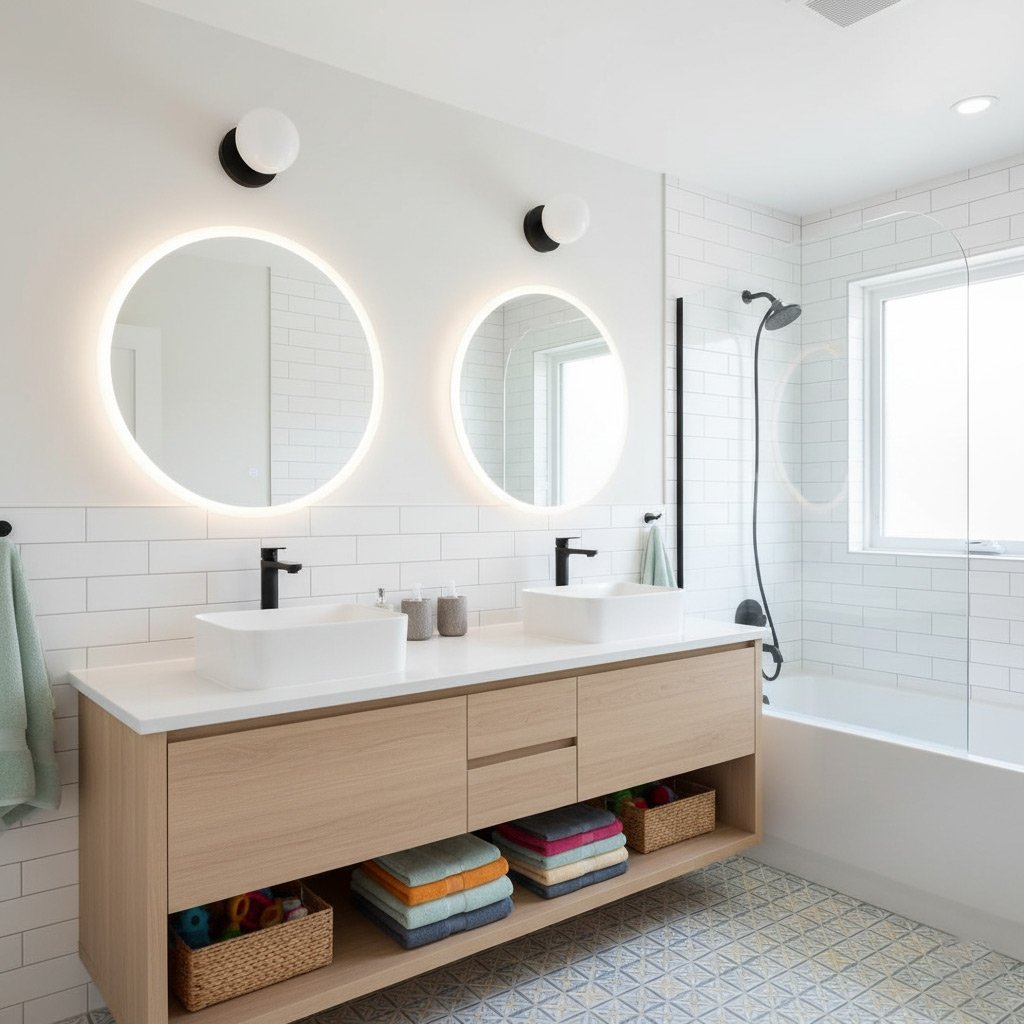
Imagine stepping into a tub that feels like it was built just for you, right here in Avondale. That moment of pure soak‑in bliss is the payoff for anyone who actually knows how to pick the right tub.
Most homeowners wander the showroom like they’re hunting for a new TV, ignoring the fact that a tub is a daily partner, not a decorative afterthought. You’ll waste time, money, and end up with a slab that looks great but feels like a stone‑cold prison.
In this guide we’ll cut through the jargon, size up the space, and match your lifestyle to the tub that makes every night feel like a spa retreat. From sleek acrylic to timeless cast iron, we’ll show you what really matters.
Ready to stop guessing and start choosing the tub that turns your bathroom into the ultimate unwind zone? Keep reading and we’ll walk you through the exact steps you need to take.
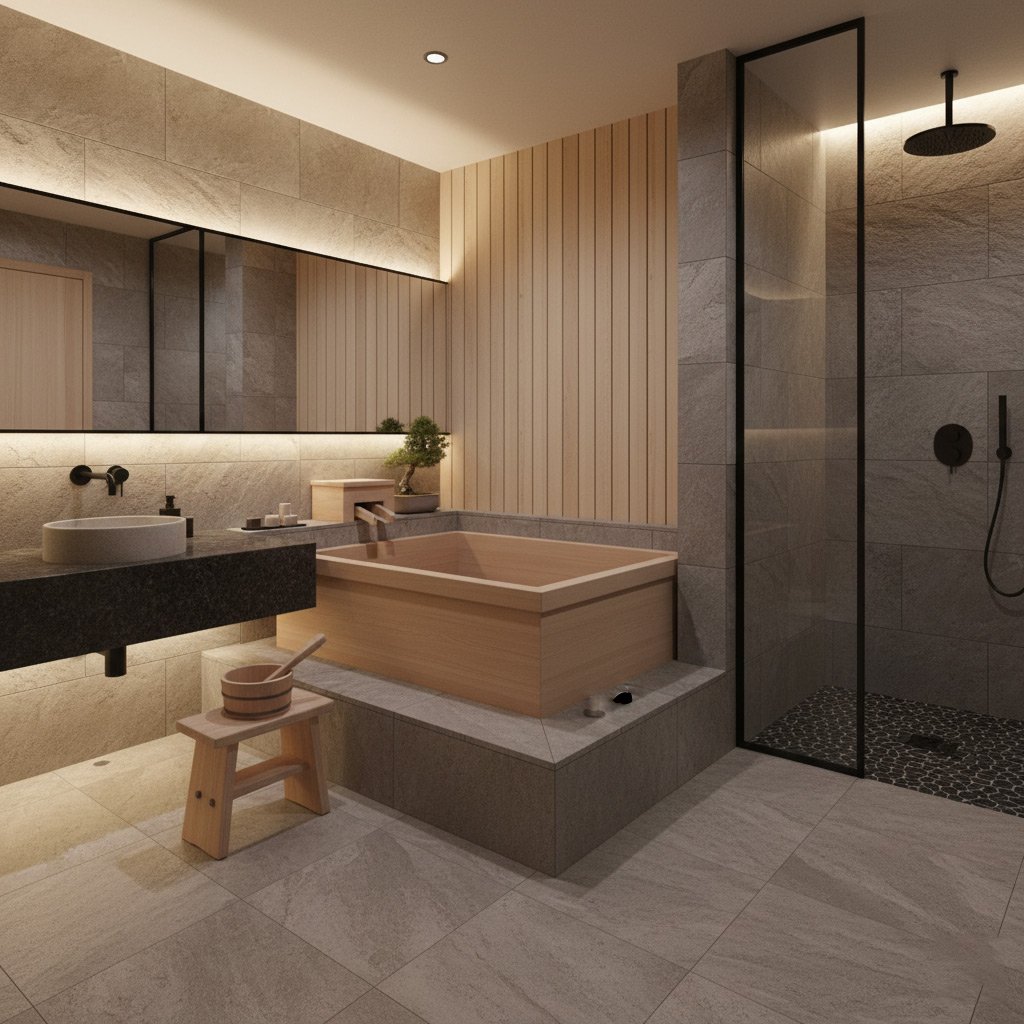
Measuring Your Space: Layout, Clearance, and Design Flow
Start with the floor plan
Grab a tape measure, a notepad, and sketch the exact rectangle of your bathroom. Mark the location of doors, windows, and any built‑in fixtures – they’re the non‑negotiables that dictate where a tub can sit.
Next, note the overall square footage and the length of each wall. A quick draw‑and‑measure session saves you weeks of back‑and‑forth with the showroom.
Clearance is king
Every tub needs breathing room. Aim for at least 18‑inches of open space on three sides; this lets you step in, step out, and clean without a gymnastics routine.
- Door swing: ensure the door opens fully without hitting the tub.
- Shower curtain or glass: leave a 6‑inch gap to avoid water splash.
- Vanity and toilet: keep a minimum of 30‑inches between them and the tub edge.
Design flow matters
Think of the tub as the centerpiece, not a stray piece. Align it with the room’s visual lines – the same direction as the vanity or the window creates a harmonious feel.
When you map the traffic pattern, picture the path from the door to the tub, then to the sink. A smooth, unobstructed route makes the space feel larger and more inviting.
Choosing the Right Tub Material: Acrylic, Fiberglass, Cast Iron, Stone, and More
When the tub is the centerpiece of your Avondale bathroom, the material decides how it feels, how long it lasts, and how much you’ll spend on upkeep. A smart pick balances comfort, durability, and the vibe you’re after—whether that’s a sleek modern look or a classic, heavyweight feel.
Acrylic
- Lightweight and easy to install, perfect for retrofit projects.
- Retains heat well, so your soak stays warm longer.
- Resists scratches and stains, but can show swirl marks over time.
Fiberglass
- Budget‑friendly option that mimics the look of acrylic.
- Very light, but not as sturdy; may flex under heavy use.
- Requires a protective coating to keep it from yellowing.
Cast Iron
- Heavy as a rock—provides rock‑solid stability and a timeless aesthetic.
- Excellent heat retention; you’ll feel the warmth for minutes after the water stops.
- Installation can be a hassle; floor reinforcement may be needed.
Stone (Cultured Marble, Quartz, etc.)
- Luxurious look and feel; each piece is unique.
- Very durable, but can be pricey and heavy.
- Needs a sealed surface to prevent water absorption.
Other Options
- Solid surface blends the look of stone with lighter weight.
- Copper adds a warm patina that evolves with use.
- Composite offers a middle ground of cost and durability.
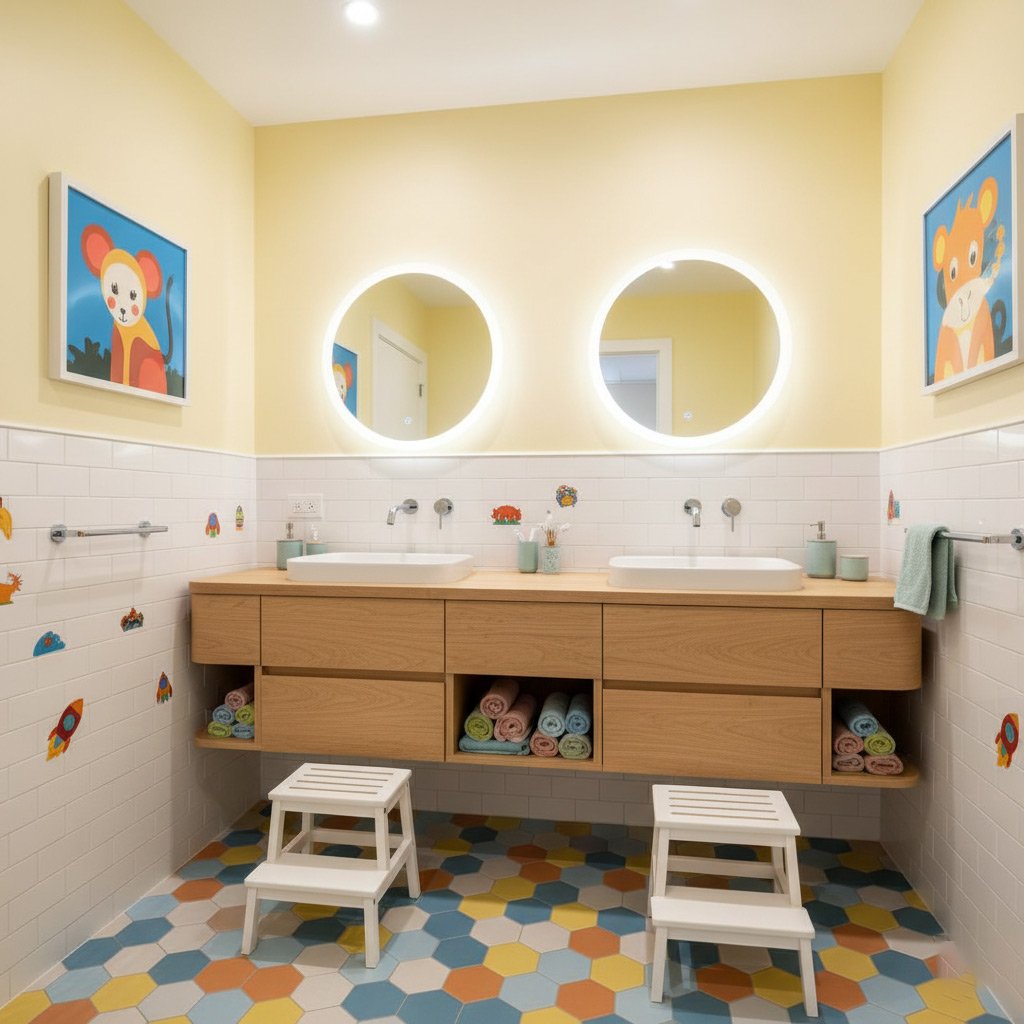
Features That Matter: Soaking Depth, Jets, Ergonomics, and Accessibility
Soaking Depth
Depth decides whether you’re floating like a cloud or just dipping a foot. A 20‑inch deep tub gives full immersion; a 14‑inch model feels more like a quick rinse.
Measure the distance from the floor to the rim, then add a couple of inches for comfort. Deeper isn’t always better—if your ceiling is low, a shallow tub avoids a cramped feel.
- 20‑inch+ – spa‑level soak, ideal for long evenings.
- 16‑inch – balanced comfort, fits most standard bathrooms.
- 14‑inch or less – perfect for tight spaces or kids.
Jets and Ergonomics
Jets turn a tub into a mini‑spa, but they add weight and cost. Decide if you need a few targeted massage points or a full‑body cascade.
Ergonomic contours keep you relaxed without straining your back. Look for built‑in lumbar support or a gently sloped backrest.
- Air jets – soft, bubbly feel, low maintenance.
- Hydro‑massage jets – powerful, great for sore muscles.
- Integrated armrests – keep elbows at a natural angle.
Accessibility
Everyone should feel safe stepping in and out. A low‑step entry or a walk‑in design eliminates the need to climb.
Grab bars, non‑slip surfaces, and a comfortable seat height are non‑negotiable for aging homeowners or anyone with limited mobility.
- Step‑in height < 16 in – easy for most users.
- Built‑in handrails – provide confidence.
- Slip‑resistant coating – prevents accidents.
Budget Planning: Cost Breakdown, Financing Options, and Value‑Boosting Choices
Know What You’re Paying For
First, split the price into three buckets: the tub itself, installation labor, and the “extras” that keep the whole thing from falling apart.
Typical ranges in Avondale look like this:
- Acrylic or fiberglass: $800‑$1,500
- Cast iron or stone‑derived: $2,200‑$5,000
- Installation labor: $500‑$1,200 (depends on plumbing complexity)
- Accessories (flanges, backer boards, sealants): $150‑$400
Financing Without the Headache
Most local remodelers partner with credit unions or offer in‑house payment plans. Look for:
- 0% APR for 12‑18 months on purchases under $3,000
- Low‑interest loans (3‑5% APR) for larger projects
- Seasonal promos: “Free upgrade to a whirl‑pool kit when you sign up this month.”
Ask your contractor to break the estimate into “materials” and “labor.” That way you can apply a home‑equity line of credit only to the big ticket items.
Boost Value While Keeping Costs in Check
Smart choices can raise resale value without blowing the budget.
- Pick a neutral finish that appeals to a wide buyer pool.
- Opt for a standard size tub; custom dimensions add $1,000‑$2,000.
- Install a water‑efficient faucet—saves on utility bills and scores green‑certification points.
Remember, a well‑chosen tub is an investment. It pays off when you sell, and it pays off every night you soak.
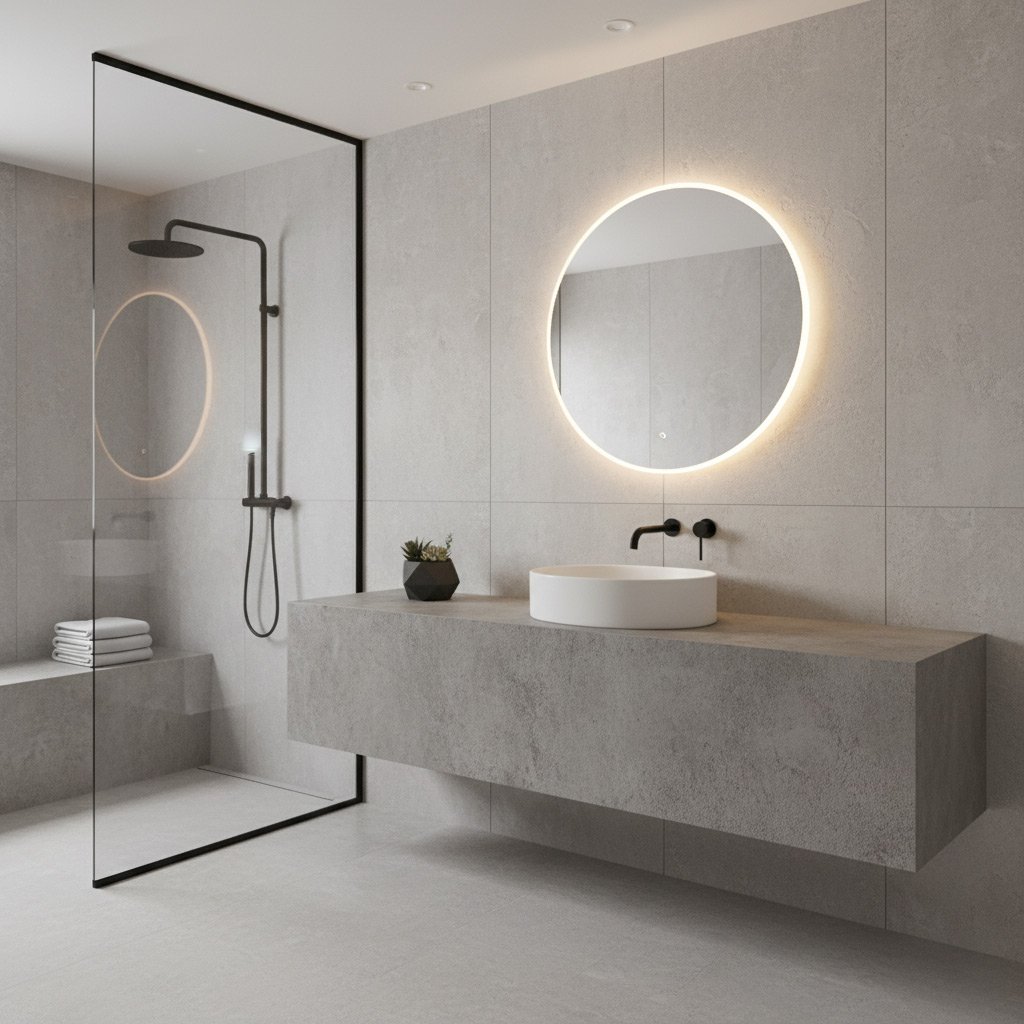
Installation Essentials: Plumbing, Flooring Compatibility, and Contractor Tips
Plumbing Prep
Before the tub even touches the floor, map out the drain and supply lines. A misaligned pipe can turn a dream soak into a leak nightmare.
- Verify the existing drain size matches the new tub’s outlet diameter.
- Install a shut‑off valve on the hot and cold lines for easy service later.
- Consider a high‑flow faucet if you’re adding a deep‑soak model; it prevents long fill times.
Flooring Compatibility
The floor must support the tub’s weight and stay water‑tight. Skipping this step is a cheap way to invite mold.
- Concrete slabs are ideal for cast‑iron or stone tubs—just seal the joints.
- For acrylic or fiberglass, a sturdy backer board plus a waterproof membrane does the trick.
- Check the floor’s level; a sloped surface will cause the tub to rock and wear unevenly.
Contractor Tips
Hiring the right pro can save you weeks of headaches. Look for someone who knows Avondale’s code quirks.
- Ask for a written scope that includes demolition, plumbing reroute, and floor prep.
- Insist on a wet‑test before the tub is set—any drips mean rework now, not later.
- Get a timeline with milestones; a clear schedule keeps the crew on track and your budget in check.
Case Study: Revamping an Avondale Bathroom with a Freestanding Soaking Tub
Before the Renovation
When the Martinez family walked into their cramped 5‑by‑7‑foot bathroom, the old alcove tub felt like a relic from the 80s. They wanted a spa‑like escape, not a cramped closet. The biggest obstacle? A low ceiling and a narrow door that limited what could fit.
The Solution
We swapped the alcove for a 38‑inch acrylic freestanding soaking tub that hugs the wall but still offers generous depth. The design plan included:
- Re‑routing the drain to a wall‑mounted valve for a clean look.
- Installing a heated tile floor that stays warm underfoot.
- Adding a backlit mirror and recessed LED strips for a modern vibe.
All work was done by a local Avondale contractor who knew the code inside out, so the plumbing shift was painless.
Results & Impact
The Martinez bathroom now feels like a boutique spa; the tub’s 20‑inch soak depth lets them unwind after a long day. Home value jumped about 7 % in the next appraisal, and the family reports nightly “spa moments” without the price tag. The project proved that a well‑chosen freestanding tub can transform a tiny space into a selling point.
Final Words
Now that you’ve got the measurements, material know‑how, and budget map, the real fun begins: turning that plan into a daily retreat. The tub you pick isn’t just a fixture; it’s the centerpiece of every evening unwind.
What to Do Next
- Visit a local showroom and sit in a few models. Feel the depth, test the backrest, and listen for any echo that hints at poor insulation.
- Ask the dealer for a sample swatch of the finish. Light in your bathroom can change the color dramatically.
- Schedule a free on‑site estimate with a licensed Avondale installer. They’ll confirm clearances and flag any hidden plumbing quirks.
When the installation day rolls around, keep the area clear and protect your flooring with drop cloths. A little prep saves you from costly scratches and keeps the crew moving fast.
Finally, treat your new tub like a prized possession. A quick wipe after each use, a monthly deep clean with a non‑abrasive cleanser, and a yearly check of the faucet seals will keep it looking showroom‑fresh for years. Need more ideas? Check out our New Tubs page for inspiration and the latest deals.
People Also Ask
What size tub fits best in a typical Avondale bathroom?
A standard bathtub is 60 inches long, 30–32 inches wide, and 14–20 inches deep. Measure your floor space and allow at least 2 inches of clearance on each side for comfortable access and cleaning.How do I choose between acrylic and cast‑iron tubs?
Acrylic tubs are lightweight, affordable, and retain heat well, while cast‑iron tubs are heavier, more durable, and provide superior heat retention. Consider your budget, structural floor support, and desired aesthetic when deciding.Are freestanding tubs a good option for small bathrooms?
Freestanding tubs can work in smaller spaces if you select a compact, low‑profile model and ensure proper clearance for doors and fixtures. They add a luxurious focal point without requiring wall support.What features improve tub accessibility for seniors?
Look for tubs with a low step‑in height, built‑in grab bars, slip‑resistant surfaces, and optional hand‑held showerheads. These features enhance safety and ease of use for aging occupants.Can I finance a new tub installation in Avondale?
Many local bathroom remodel contractors offer financing plans, including zero‑interest options for qualified buyers. Ask your contractor about payment schedules and any promotional offers.
Avondale Bathroom Remodel brings over 15 years of residential remodeling expertise to homeowners throughout Avondale, Arizona. Their team combines skilled craftsmanship with a deep understanding of local design trends and building codes, ensuring each bathroom renovation meets the community’s standards for quality and functionality.
Need Bathroom Remodel?
We restore comfort to homes in Avondale and surrounding communities with prompt, reliable service that gets the job done right the first time. (85323, 85324, 85395, 85345, 85338)
Get Bathroom Quote